So, assess what other tools and resources you can use and consider how you might continue to sharpen your skills in the future. They’re especially important when you’re under a lot of stress. According to research from 2022, social support boosts stress recovery and mood. Research from 2023 on listening to music during the COVID-19 lockdown — when stress was likely heightened for many people — found that it may lower levels of stress and improve mood. It’s expected that you’ll encounter stress at some point in your life, but try not to let it control you — take control of it instead.
Tip #13: Establish a healthy sleep schedule
If you need what are healthy ways to deal with stress help preparing for tests, planning projects, or getting things done, ask a teacher, parent, tutor, or mentor to coach you. If you tend to procrastinate, pair up with a classmate to study or do homework at a set time. At times, a small surge of stress can be a positive thing. It can help you do well under pressure, be on time, or meet a deadline.
How do you teach coping skills?
What is more, overworking may also increase our risk of burnout and lead to a decrease in overall life satisfaction. It could also lead to various stress-related health problems. Yet the problem with overworking is that it is likely to aggravate the challenges we do not address. And the more time we spend at work, the emptier our lives become in other domains. Self-harm, such as cutting or burning oneself, is a particularly distressing and a counterproductive coping strategy (Klonsky et al., 2018). 18 Pressman, S. D., Matthews, K. A., Cohen, S., Martire, L. M., Scheier, M., Baum, A., & Schulz, R.

Ways to Manage Everyday Stress
If you are chronically stressed or struggling to get through your day, consider talking with a healthcare provider or a mental health professional. If you find that stress is significantly impacting your daily life or mental health, don’t hesitate to seek support from a mental health professional. Stress, in its essence, is our body’s natural response to challenges or threats. While short-term stress can sometimes be beneficial, motivating us to perform better or react quickly in dangerous situations, chronic stress can have severe consequences on our health. From cardiovascular issues to mental health disorders, the impacts of unmanaged stress are far-reaching and potentially devastating.
- Association of enjoyable leisure activities with psychological and physical well-being.
- Try inhaling for a count of four, holding for a count of four, and exhaling for a count of four.
- Additionally, exercise allows you to clear your mind.
- When stress is getting you down, take a moment to reflect on all the things you appreciate in your life, including your own positive qualities and gifts.
- But it’s also important to find ways to calm mental stress over the long term.
- And we’re sure they’d let you have a cuddle or two in real life.
Stress and mental health conditions
When your stress levels are high, using healthy coping skills can help you reset Drug rehabilitation and relax. Developing and maintaining strong bonds with friends and family can help protect you from a multitude of health issues, including the adverse effects of stress. The experience of stress can be either acute or chronic.
Negative self-talk
Sometimes, your anger is a warning sign that something else needs to change—like an emotionally abusive relationship or a toxic friendship. To avoid a stressful morning rush, stick to a set bedtime and wake time. Use a calendar or planning app to keep track of your daily schedule. Fill in your class times, tests, and when assignments are due. Block in times to study for tests and work on assignments. Make time to work on your tasks and goals (like schoolwork, chores, or practice).
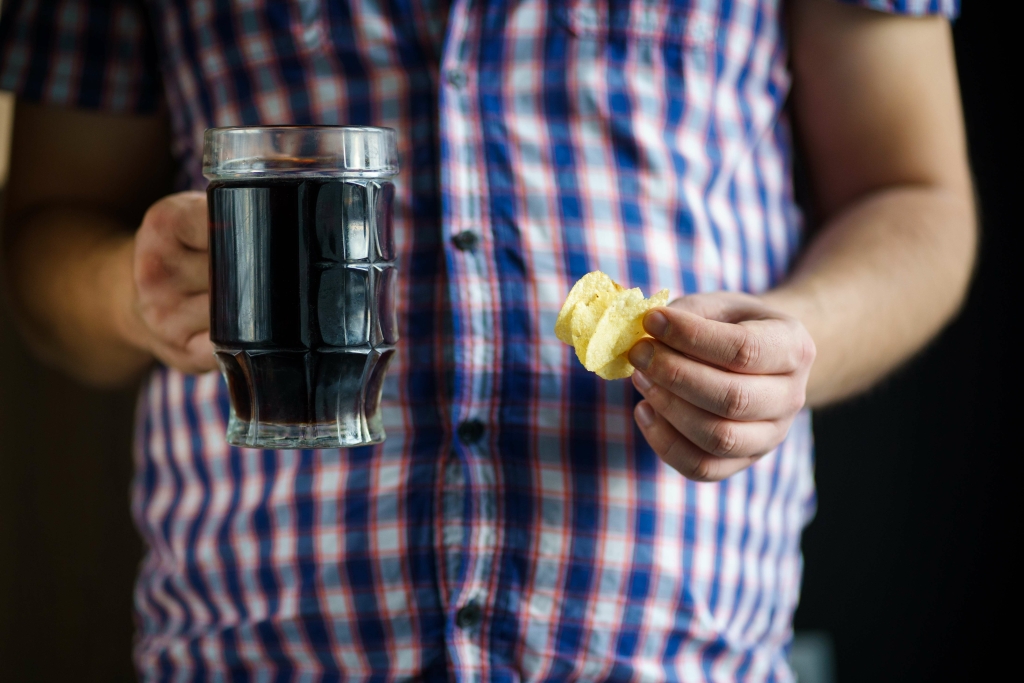
Other methods within employees’ control are to avoid procrastination and work without distraction. One commonly used activity is the ABC sheet, which is based on CBT and helps patients understand the relationship between their thoughts, emotions, and behaviors. The temporary “highs” caffeine and sugar provide often end with a crash in mood and energy. By reducing the amount of coffee, soft drinks, chocolate, and sugar snacks in your diet, you’ll feel more relaxed and you’ll sleep better. In addition to regular exercise, there are other healthy lifestyle choices that can increase your resistance to stress.